
Long Range Rifle
Training
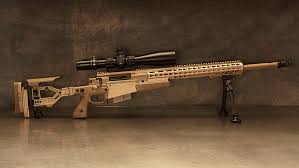
Long Range Rifle Training
Civilian & Law Enforcement Long-Range Rifle Shooting Training
Course Overview (Up to 600 Yards)
This course is designed for civilian shooters looking to develop precision rifle skills out to 600 yards. The training focuses on safe firearm handling, solid shooting fundamentals, and practical application of ballistic data to achieve consistent hits at extended distances.
This course is ideal for recreational shooters, hunters, and precision rifle enthusiasts who want to improve accuracy, confidence, and understanding of long-range shooting in a controlled, responsible environment.
Who This Course Is For
• Civilian rifle owners seeking improved long-range accuracy
• Recreational and club-level precision shooters
• Hunters preparing for ethical long-distance shots
• Shooters new to long-range shooting but familiar with basic rifle operation
Course Objectives
By the end of this course, students will be able to:
• Safely handle and operate a precision rifle
• Build a stable, repeatable prone shooting position
• Properly zero their rifle and optic
• Understand bullet drop and wind drift out to 600 yards
• Create and apply DOPE for known distances
• Make consistent hits on steel targets to 600 yards
Equipment Requirements
• Bolt-action or semi-automatic rifle suitable for 600-yard shooting
(Recommended calibers: .223/5.56, .308, 6.5 Creedmoor or similar)
• Quality scope with adjustable turrets (MIL or MOA)
• Bipod and rear support bag
• 100–150 rounds of reliable ammunition
• Data book or ballistic app
• Eye and ear protection (mandatory
Training Curriculum
1. Precision Rifle Fundamentals
• Rifle setup and shooter ergonomics
• Natural point of aim (NPA)
• Body alignment and recoil management
• Breathing, trigger control, and follow-through
• Spotting impacts and making corrections
2. Optics Setup & Zero
• Scope mounting and setup fundamentals
• Understanding MIL vs MOA
• Establishing a confirmed 100-yard zero
• Verifying turret tracking and consistency
• Maintaining zero throughout the day
3. Ballistics for Known Distance Shooting
• How bullets behave from muzzle to 600 yards
• Velocity, bullet drop, and ballistic coefficient explained
• Building a reliable DOPE chart
• Using ballistic calculators effectively
• Confirming data at distance
4. Ranging & Target Engagement (Known Distance)
• Reticle use and ranging confirmation
• Dialing vs holding for elevation and wind
• Engaging steel targets from 200–600 yards
• Shot correction and data refinement
• Building repeatable shooting confidence
5. Wind Reading Fundamentals
• Identifying wind direction and speed
• Understanding full-value and partial-value wind
• Reading mirage and environmental indicators
• Applying wind holds at 300–600 yards
• Practical wind decision-making
6. Live-Fire Practical Application
• Cold-bore shots
• Progressive distance engagements
• Prone and supported shooting positions
• Individual coaching and feedback
• Emphasis on accuracy, consistency, and safety
Course Length
• 1-Day Course (6–8 hours)
Instruction and live-fire training from 100 to 600 yards
Safety Policy
• Strict adherence to all firearm safety rules
• Clear range commands and instructor supervision at all times
• Muzzle awareness and safe rifle handling required
• Any unsafe behavior may result in removal from the course without refund
Legal Disclaimer
Participation in firearms training involves inherent risks, including but not limited to serious injury or death. By enrolling in and attending this course, participants acknowledge and accept all risks associated with firearm use and range activities.
All students are responsible for ensuring they are legally allowed to possess and use firearms and ammunition under federal, state, and local laws. This course does not provide legal advice and does not certify participants for law enforcement, military, or defensive firearm use.
The instructor and training organization assume no responsibility for the misuse of firearms or techniques taught outside the scope of this training. Participants may be required to sign a liability waiver prior to training.
